
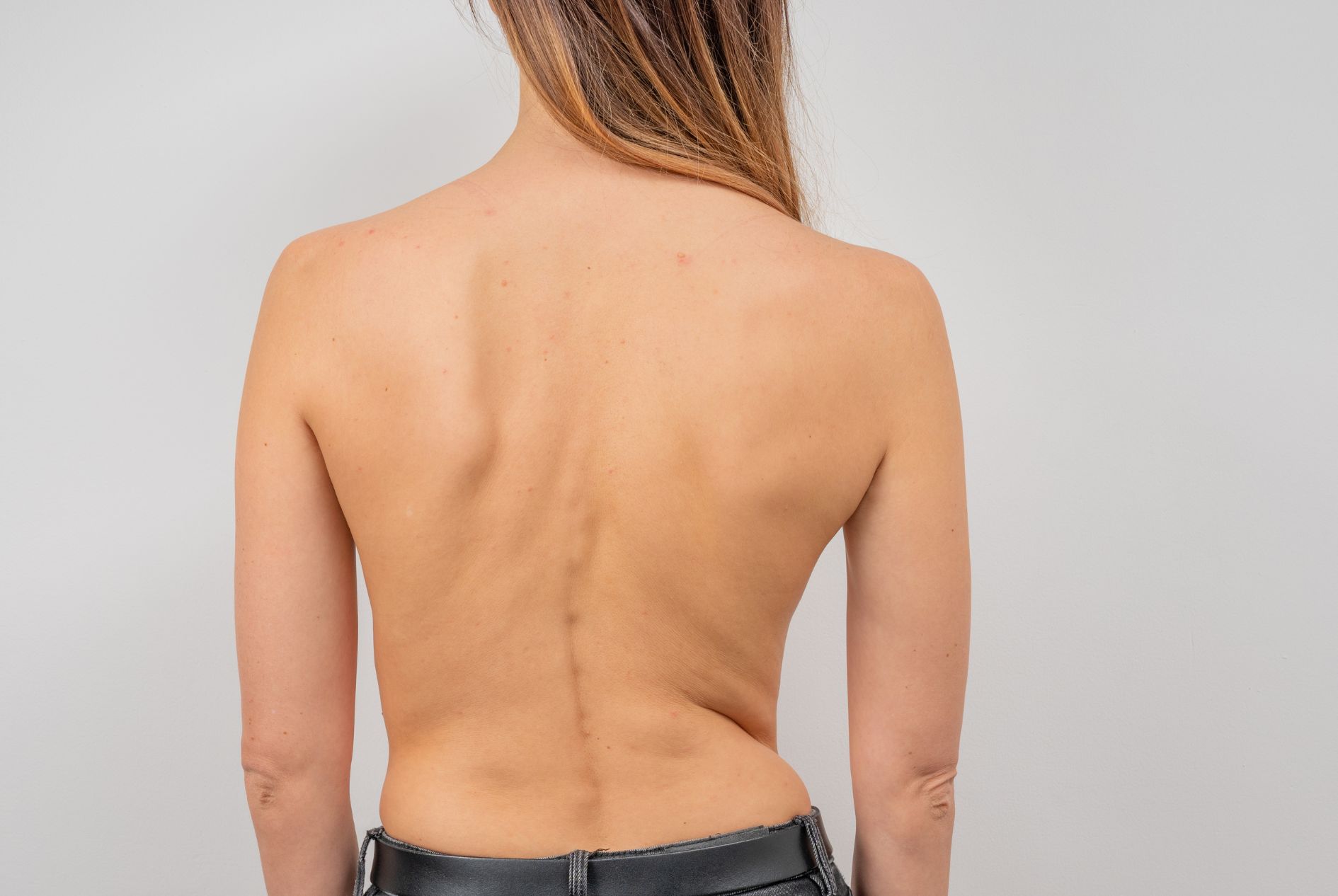
Scoliosis is a condition in which the spine curves abnormally to the side, often forming a “C” or “S” shape rather than remaining straight. In addition to the sideways curve, the spine may also rotate, causing visible changes in posture and body alignment. This rotation can make one shoulder blade appear more prominent or cause the ribs to stick out more on one side of the back.
Scoliosis can affect individuals at any age. It is most commonly diagnosed during adolescence, particularly during rapid growth spurts, but adults can also develop scoliosis later in life due to spinal degeneration, arthritis, or disc disease. In some cases, a mild curve may go unnoticed for years before symptoms begin to appear.
Symptoms of scoliosis vary depending on the severity of the curve. Early signs often include uneven shoulders, one hip sitting higher than the other, leaning to one side, or clothes fitting unevenly. As the curvature progresses, patients may experience back pain, muscle fatigue, stiffness, and reduced flexibility. In more advanced cases, nerve compression can lead to numbness, tingling, or weakness in the legs. Severe scoliosis may even affect lung function if the rib cage becomes significantly distorted.
At SpineMed Specialists, patients undergo a comprehensive spine assessment to determine the degree of curvature and whether the condition is stable or progressing. Early diagnosis is important, as untreated scoliosis can worsen over time and lead to chronic pain or structural imbalance. Schedule a consultation today with our expert neurosurgical team by clicking here or calling us at 316-334-3750.
Understanding what scoliosis looks and feels like is the first step, but identifying why it develops is just as important. In the next section, we’ll explore the common causes of scoliosis and the factors that increase a person’s risk.
What Causes Scoliosis in the Spine?

Frequently Asked Questions
What is scoliosis?
Scoliosis is a condition where the spine curves sideways instead of growing straight. Rather than appearing as a straight vertical line, the spine may form an “S” or “C” shape. It most commonly develops during adolescence but can also affect adults.
What are the common symptoms of scoliosis?
Mild scoliosis may not cause noticeable symptoms. However, more advanced cases can lead to:
-
Uneven shoulders or hips
-
One shoulder blade that sticks out more than the other
-
A visible curve in the spine
-
Back pain (more common in adults)
-
Fatigue from muscle strain
In severe cases, scoliosis can affect lung function due to pressure on the chest cavity.
What causes scoliosis?
In most children and teens, scoliosis is classified as idiopathic scoliosis, meaning the exact cause is unknown. However, other types can be linked to:
-
Congenital spine abnormalities (present at birth)
-
Neuromuscular conditions
-
Degenerative changes in the spine in adults
Family history may also increase the likelihood of developing scoliosis.
How is scoliosis diagnosed?
Scoliosis is typically diagnosed through a physical examination and confirmed with imaging studies such as X-rays. A healthcare provider measures the curve using the Cobb angle to determine severity. Early detection is important, especially in growing adolescents, to prevent progression.
What are the treatment options for scoliosis?
Treatment depends on the severity of the curve and the patient’s age. Options may include:
-
Observation and regular monitoring for mild cases
-
Bracing to prevent progression in growing children
-
Physical therapy to improve strength and posture
-
Surgery for severe or rapidly progressing curves
The goal of treatment is to prevent worsening, relieve symptoms, and improve overall function and quality of life.