
SI fusion is a neurosurgical treatment designed to relieve chronic pain caused by dysfunction of the sacroiliac (SI) joint. The SI joint connects the lower spine to the pelvis and plays a critical role in stabilizing the body and transferring weight and movement between the upper body and the legs. When this joint becomes inflamed, unstable, or damaged, it can lead to persistent pain that does not resolve with rest or conservative care.
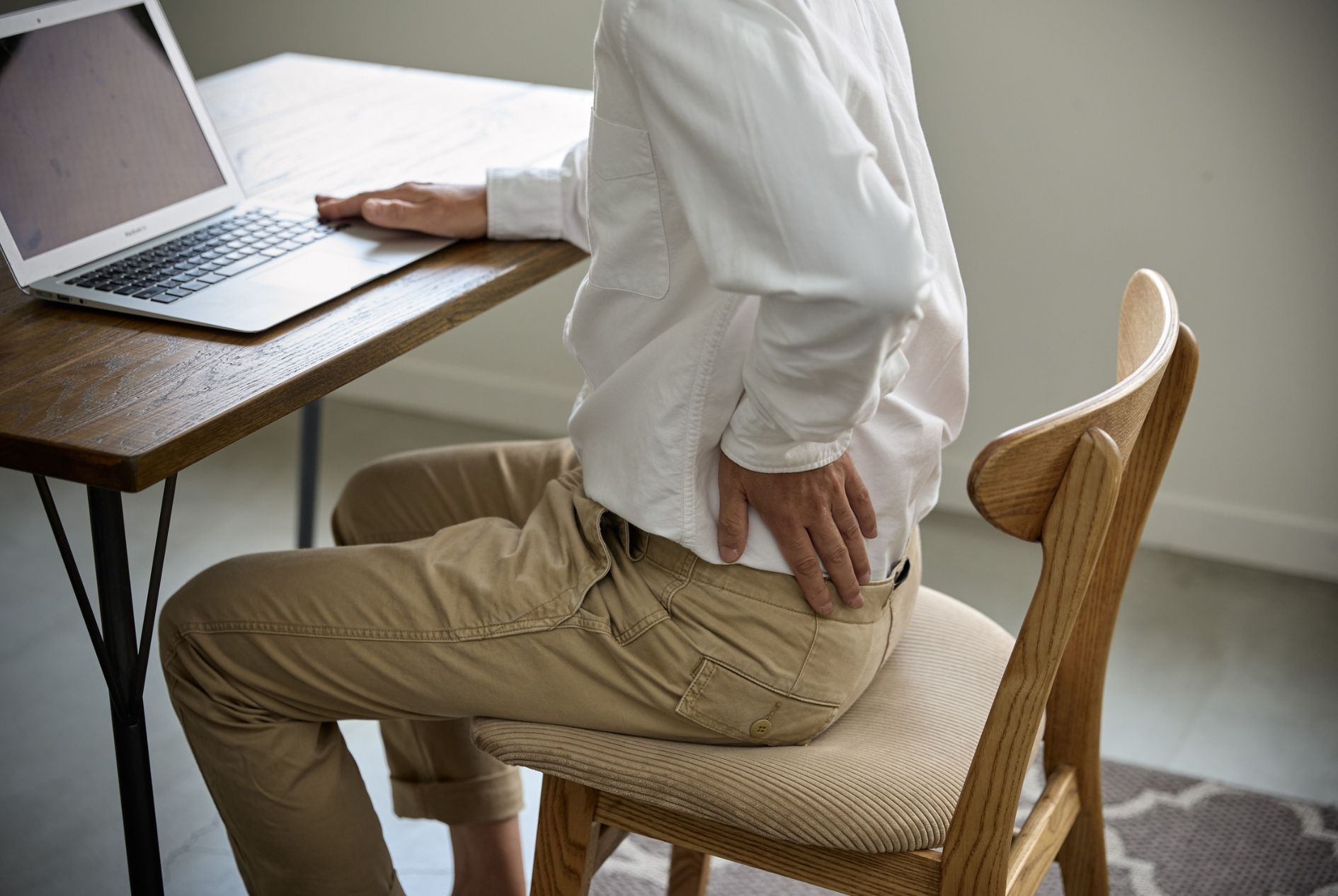
Symptoms of SI joint pain can vary but often include aching or sharp pain in the lower back, buttocks, hips, or groin. Some patients experience pain that radiates into the upper legs or worsens with prolonged standing, walking, climbing stairs, or transitioning from sitting to standing. Stiffness, difficulty maintaining balance, and pain on one side of the lower back are also common, making everyday activities increasingly difficult.
SI joint pain can develop for several reasons. Common causes include joint instability, arthritis, degenerative changes, prior lumbar spine surgery, pregnancy-related ligament laxity, trauma such as falls or motor vehicle accidents, and uneven stress on the pelvis from leg-length differences or altered gait. Over time, these factors can place excessive strain on the SI joint, leading to chronic inflammation and pain.
Because SI joint pain often mimics other spine or hip conditions, it is frequently misdiagnosed. Many patients undergo treatment for unrelated issues before the true source of pain is identified. SI fusion is typically considered when non-surgical treatments—such as physical therapy, medications, activity modification, or therapeutic injections—fail to provide lasting relief.
Patients who may benefit from SI fusion usually have confirmed SI joint dysfunction and experience chronic, function-limiting pain that interferes with daily life and overall quality of life. A thorough clinical evaluation is essential to ensure the SI joint is the primary pain generator and that SI fusion is an appropriate next step.
To understand why SI fusion can provide lasting relief for select patients, it is helpful to look more closely at how the procedure works and how it addresses the underlying cause of SI joint instability and pain.
Struggling with chronic SI joint pain? Learn how SI Fusion at SpineMed Specialists can stabilize your joint and provide long-term relief. Schedule a consultation today to see if this minimally invasive procedure is right for you by clicking here or calling us at 316-334-3750!
How SI Fusion Works
SI fusion stabilizes the sacroiliac joint, reducing abnormal motion that causes pain. In a healthy joint, the SI joint allows very limited movement while still providing support and load transfer between the spine and pelvis. When the joint becomes unstable or chronically inflamed, even small amounts of movement can trigger ongoing pain. The goal of SI fusion is to eliminate this painful motion by permanently joining the bones of the joint.
During the procedure, the joint is accessed using advanced imaging guidance to ensure precise placement. Specialized implants are positioned across the SI joint to hold it in a stable alignment. Over time, bone grows around the implants, allowing the joint to fuse and function as a single, solid structure. This process restores stability and reduces irritation of the surrounding tissues and nerves.
SI fusion is most commonly performed using minimally invasive techniques. This approach limits disruption to surrounding muscles and soft tissue, which can help reduce postoperative discomfort and support a smoother recovery compared to traditional open surgery. By addressing the structural cause of SI joint pain rather than just the symptoms, SI fusion offers the potential for long-term relief in appropriately selected patients.
Understanding how SI fusion stabilizes the joint helps explain why proper diagnosis and patient selection are critical. Next, it’s important to explore what patients can expect during recovery and how long it typically takes to return to normal activities.
What to Expect During Recovery
Recovery after SI fusion varies depending on each patient’s overall health, activity level, and the specifics of the procedure, but most patients can expect a gradual return to normal activities over several weeks to months. Because SI fusion is typically performed using minimally invasive techniques, many patients experience less pain and a faster recovery compared to traditional open surgery.
Immediately after the procedure, patients may notice soreness at the incision site or mild discomfort in the lower back, buttocks, or hips. Pain is usually managed with prescribed medications and gradually decreases as the body begins to heal. Your physician may recommend limiting certain movements or avoiding heavy lifting for the first several weeks to allow the joint to stabilize.
Physical therapy often plays an important role in recovery. A tailored program can help restore strength, flexibility, and proper movement patterns while protecting the healing joint. Most patients are encouraged to walk and perform gentle activities early on, as this supports circulation and reduces stiffness.
The fusion process itself takes time, as bone growth around the implants gradually stabilizes the joint. Most patients notice meaningful pain relief within a few months, although full recovery and maximum improvement can take up to six months. Regular follow-up appointments allow the physician to monitor progress and adjust activity recommendations as needed.
With proper care and adherence to post-surgical guidelines, SI fusion can offer long-term relief from chronic SI joint pain, helping patients return to daily activities, work, and hobbies with improved comfort and mobility.
For patients seeking specialized care, Dr. Thomas Frimpong at SpineMed Specialists has extensive experience in evaluating and treating SI joint dysfunction. His expertise ensures that patients receive personalized guidance and advanced surgical care when SI fusion is the most appropriate option.

How Dr. Thomas Frimpong and SpineMed Specialists Can Help
For patients struggling with chronic SI joint pain, proper evaluation and expert care are critical. Dr. Thomas Frimpong, a board-certified neurosurgeon at SpineMed Specialists, has extensive experience in diagnosing SI joint dysfunction and determining when SI fusion is the most effective treatment option. With a focus on precision and minimally invasive techniques, Dr. Frimpong helps patients achieve long-term relief while minimizing recovery time and discomfort.
At SpineMed Specialists, care begins with a comprehensive evaluation to confirm that the SI joint is the primary source of pain. This may include reviewing medical history, conducting a physical examination, and using imaging studies or diagnostic injections to pinpoint the problem. Once SI joint dysfunction is confirmed, Dr. Frimpong develops a personalized treatment plan tailored to each patient’s needs, goals, and overall health.
Patients can receive care at SpineMed Specialists’ main clinic in Wichita, Kansas, or through outreach clinics where Dr. Frimpong regularly sees patients in Dodge City, Garden City, and Liberal, Kansas. This allows patients across the region to access specialized SI fusion evaluation and treatment without traveling long distances.
If SI fusion is recommended, patients benefit from advanced surgical techniques designed to stabilize the joint while preserving surrounding muscles and tissues. Throughout the process, the team at SpineMed Specialists provides thorough education, guidance, and support—from preoperative preparation to postoperative care and rehabilitation. This comprehensive approach helps patients feel confident, informed, and supported at every step of their journey.
By combining surgical expertise with patient-centered care and convenient clinic access, Dr. Frimpong and the SpineMed Specialists team help individuals with SI joint pain regain mobility, reduce discomfort, and return to daily activities, improving quality of life.
Schedule your appointment today and get back to a life free from pain by clicking here or calling us at 316-334-3750!
Frequently Asked Questions
What is SI joint fusion?
SI joint fusion is a minimally invasive surgical procedure that stabilizes the sacroiliac (SI) joint by permanently joining the sacrum (the base of the spine) to the ilium (part of the pelvis). The goal is to reduce abnormal motion in the joint and relieve chronic lower back or buttock pain caused by SI joint dysfunction.
What symptoms are caused by SI joint dysfunction?
SI joint dysfunction can cause:
-
Lower back pain
-
Pain in the buttocks
-
Hip or groin pain
-
Pain that radiates down the leg (similar to sciatica)
-
Worsening pain when standing, walking, or climbing stairs
Because symptoms can mimic other spine conditions, proper diagnosis is essential.
Who is a candidate for SI joint fusion?
You may be a candidate if:
-
You have chronic SI joint pain that has not improved with conservative treatments
-
Physical therapy, medications, or injections provided only temporary relief
-
Diagnostic SI joint injections confirmed the joint as the source of pain
A detailed evaluation and imaging studies help determine eligibility.
How is SI joint fusion performed?
Most SI joint fusions are performed using a minimally invasive technique. Through a small incision, specialized implants are placed across the SI joint to stabilize and promote bone fusion. The procedure is typically done under anesthesia and often allows for same-day discharge.
What is recovery like after SI joint fusion?
Recovery varies by patient, but most individuals gradually return to normal activities over several weeks to months. Patients may use crutches or a walker temporarily and participate in physical therapy to rebuild strength and mobility. The goal is long-term pain relief and improved stability.